Cleaner Company Survive Threats While You Clean
Get them before they get you—then mop the evidence like a professional Star Wiper.
Abandoned space stations are abandoned for a reason. In Cleaner Company, Star Wipers do not only scrub gore—they also meet the things that made the gore. Parasites, Slimes, Screamers, and other hostile cuties can interrupt your flow state on demo and playtest maps alike. This guide covers threat mindset, fight-versus-clean balance, tool choices, and the official escape hatch: difficulty settings that let you untoggle monsters for a calmer day at work. Full release remains planned for 2026 on Steam and Epic from Wildflame Studio and Mythwright.
New cleaners should still read Getting Started and practice the Demo walkthrough before treating every hallway like a boss rush.
The core rule: combat is a cleaning tax
Every shot, burn, and panicked kite can fling fluids and debris across surfaces you already finished. The fantasy pitch even notes that the mop is mightier than the flamethrower—but you should bring both. Security wins the second; Wetwork wins the contract. In co-op, assign a Security role so three people are not inventing modern art on the dining floor. See the Co-op guide.
Threat roster (what marketing and builds emphasize)
Exact behaviors will evolve between playtest, demo, and launch patches—track changes on Updates and Demo & playtest notes. The publicly highlighted cast includes:
- Parasites — Opportunistic pests that punish careless loitering in dirty zones. Keep motion awareness high while detailing corners.
- Slimes — Mess incarnate. Killing them carelessly can recreate the stain problem you came to solve; isolate and burn or burst them away from closed zones.
- Screamers — Audio telegraphs matter. When something announces itself across the Canteen, pause the polish pass and ready Security.
- Other hostiles — Research facilities especially (Experimental Laboratory) imply specimen variety; Polar Facility adds environmental pressure on top of creature pressure. Compare sites in Locations.
Treat this as a field manual, not a datamined bestiary. When official names or counters deepen, we update facts across the wiki.
Engagement flowchart
- Hear or see a threat — Stop splashy tools; call the room.
- Decide peel vs stand — Peel away from closed zones when you can; stand and delete if it is already in the polish room.
- Use the right stopper — Guns for general hostiles; flamethrower when fire is the cleanest answer (and accept soot/burn cleanup).
- Re-secure the room — Confirm no second spawns before Wetwork returns.
- Pay the cleaning tax — Vacuum solids, mop liquids, powerwash stubborn scorch. Tool identities: Cleaning equipment.
Loadout notes for survival cleaning
- Mop — Still your win condition. Never abandon it entirely for a pure FPS fantasy.
- Cosmic vacuum / grinders — Post-fight debris disappears faster with Extraction tools ready.
- Powerwasher — Good for wide stained panels after a messy kill; bad as your only crowd-control plan.
- Guns — Create space. Short, aimed bursts beat celebratory magazines.
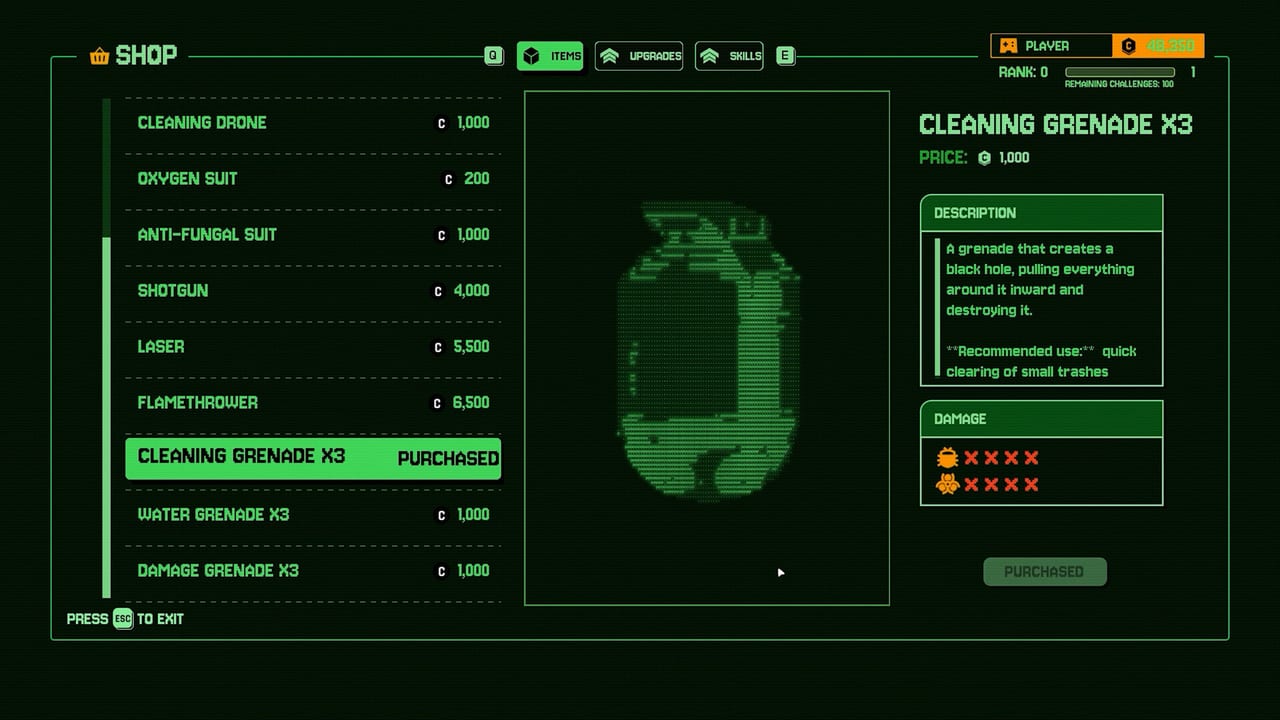
- Flamethrower — High drama, high aftermath. Great for Slime-like problems; budget a re-clean.
Upgrade priorities shift with patches—cross-check the Equipment tier list and Tier list hub once you have hours in the current build. Bind comfort under panic: Controls and the Tools hub.
Solo vs co-op threat management
Solo — You are Security and Wetwork. Clear a safe bubble, clean inside it, expand. Do not chase audio across the entire Canteen while leaving a half-mopped kitchen to marinade.
Duo — One watches, one cleans, swap after each incident.
Trio / four-stack — Dedicated Security is worth it when monsters are on. Flex helps kite. Wetwork ignores hero moments unless the team is down.
When to untoggle monsters
Difficulty options explicitly allow a calmer cleaning session. Turn threats off when:
- Teaching a friend the physics loop.
- Practicing inspector-quality clears for rank challenges.
- Recording tool showcases without jump-scare edits.
- You simply want PowerWash-in-space vibes tonight.
Turn them back on when the squad wants horror-comedy tension. There is no purity test—Star Wipers clock in either way.
Facility threat flavors
- Flying Canteen (demo) — Tight restaurant sightlines; chickens add non-combat chaos while hostiles pressure service corridors.
- Experimental Laboratory (playtest) — Containment fantasy; expect research leftovers and specimen energy.
- Polar Facility (playtest) — Cold plus creatures; do not strand fighters far from the mop line.
More biome context: Locations.
Common survival mistakes
- Mag-dumping in a finished dining room.
- All four players chasing one Screamer while liquids spread.
- Flamethrower victory laps through closed zones.
- Forgetting grinders after a chunky kill.
- Refusing to disable monsters when the night’s goal was learning tools.
After-action loop
Survive → re-clean → close the zone → move on. Ranks and gear unlocks reward completed challenges, not only stylish kills. Keep an eye on 2026 launch additions through Updates, and park storefront links under Links and Wiki. Return to the Guides hub whenever a new creature fantasy drops.
Stay alive, Star Wiper. The company needs you clocking out vertical—not horizontally, waiting for the next crew to mop you up.
Frequently Asked Questions
Quick answers for Star Wipers before the next contract.
Can I disable monsters in Cleaner Company?
Yes. Difficulty settings let you untoggle monsters for a calmer cleaning-focused session.
Which monsters are called out publicly?
Marketing and materials highlight Parasites, Slimes, Screamers, and other hostiles. Exact rosters can expand between playtest, demo, and the 2026 release.
Should I clear all enemies before cleaning?
Clear immediate threats, then clean in secure bubbles. Wiping the whole map first often recreates mess and wastes time.
Is the flamethrower better than the mop?
For killing, sometimes. For finishing the contract, no. Official tone says the mop is mightier—but carrying both is the real answer.
Who should handle combat in co-op?
Assign a Security role with guns/flamethrower so Wetwork and Extraction can keep zones closing. Details are in the Co-op guide.